Over the past decade, the Turkish Riviera has undergone an extraordinary evolution, establishing itself as one of the world's most sought-after destinations for international medical and dental tourism. Every week, thousands of patients fly from the United Kingdom to undergo transformative procedures, ranging from cosmetic dentistry and full-mouth dental implants to advanced hair restoration, rhinoplasty, and elective aesthetic surgeries. While British travellers dedicate meticulous care to selecting accredited surgeons, modern clinics, and recovery hotels, the critical logistical bridge between the hospital ward, the hotel lobby, and the airport terminal is frequently overlooked. In the immediate aftermath of a surgical or dental procedure, the human body is in a state of acute physical vulnerability. Navigating foreign road infrastructure, enduring fluctuating cabin temperatures, or absorbing the violent vibrations of a low-grade vehicle can actively compromise surgical outcomes, cause unnecessary pain, and elevate stress levels. For international medical travellers seeking an uncompromising standard of post-operative care, selecting a tailored ground mobility strategy is not a matter of indulgence; it is a fundamental health precaution that safeguards physical recovery.
The Fragile Physiology of Post-Surgical Travel
Undergoing medical treatment under local or general anaesthesia places a substantial physiological burden on the patient. Following extensive dental procedures, facial bone contouring, or aesthetic surgery, tissues remain deeply inflamed, sutures are under tension, and nerve endings are exceptionally sensitive. In the crucial forty-eight to seventy-two hours following an operation, patients routinely contend with localised oedema, reduced physical mobility, diminished blood pressure, and heightened sensitivity to external motion. The physiological trauma of surgery leaves the body vulnerable to vasovagal episodes, nausea, and acute discomfort when subjected to sudden physical shocks or prolonged muscular exertion. Furthermore, modern surgical protocols demand that patients keep their heart rate and blood pressure within strictly regulated parameters to prevent post-operative bleeding, haematoma formation, or the premature rupture of micro-sutures. When an individual is forced to manage their own luggage, walk across sweltering airport pavements, or endure an unbuffered road commute, the body responds with elevated cortisol production and muscular tension, directly hindering the natural healing cascade.
Why Conventional Airport Transport Jeopardises Surgical Recovery
Upon discharge from an Antalya clinic or hospital, many visiting patients underestimate the physical toll of standard regional transport. Hailing a spontaneous yellow street taxi outside a clinic or waiting in an exposed taxi rank at the airport terminal exposes post-operative patients to severe structural hazards. Municipal street cabs are almost universally compact saloon cars engineered with basic, high-mileage suspension systems that transmit every asphalt imperfection, pothole, and road vibration directly into the passenger cabin. For a patient recovering from a hair transplant with a tender donor area, or someone managing delicate abdominal sutures, every sudden jolt or harsh braking manoeuvre induces sharp physical pain and unnecessary tension. Furthermore, public transport options and shared shuttle buses involve stationary waiting times under the intense Mediterranean sun, crowded cabins lacking proper airflow, and multiple intermediate stops that turn a twenty-minute journey into an exhausting ordeal. In worst-case scenarios, the lack of spatial cushioning in standard vehicles can force patients into cramped, unnatural seating postures that compress surgical drains, increase facial blood pressure, or cause friction against freshly dressed incision sites.
The Mechanical Advantage of Bespoke Automotive Engineering
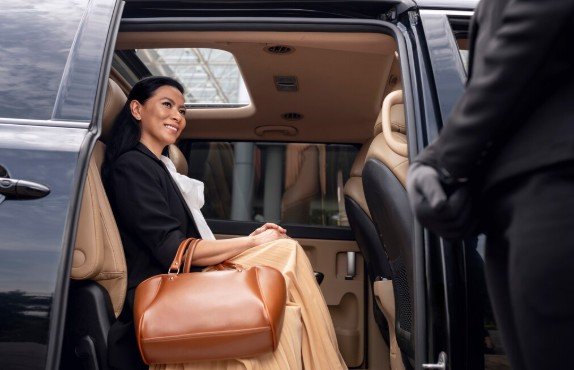
Eliminating post-operative physical trauma requires a ground transit vehicle engineered specifically for acoustic dampening, expansive spatial freedom, and superior road stabilization. Securing an antalya vip transfer service bridges this vital healthcare gap by deploying high-specification long-wheelbase platforms, most notably the Mercedes-Benz Vito and V-Class series. Unlike standard saloon cabs, these executive vehicles feature advanced independent multi-link suspension networks and adaptive dampening systems specifically calibrated to neutralize road harshness. Road irregularities along the D400 highway and coastal feeder roads are completely smoothed out before they can reach the passenger, creating a sensation of weightless momentum. Inside the cabin, factory bench seating is replaced by bespoke, multi-contour leather captain chairs lined with high-density memory foam. These seats can be smoothly adjusted to provide tailored lumbar and thoracic support, enabling post-surgical patients to recline at an optimal angle that relieves pressure on sensitive incisions, minimizes spinal compression, and prevents venous pooling in the lower extremities during transit.
Clinical Hygiene and Sanitised Cabin Microclimates
In the immediate days following any surgical or minimally invasive cosmetic procedure, infection control is paramount. Open donor grafts, healing incisions, and oral surgical wounds are acutely susceptible to airborne contaminants, bacteria, and allergens. Public transit vehicles and high-turnover street taxis are rarely sanitised beyond cosmetic wiping, exposing vulnerable patients to compromised upholstery and stale air. Executive medical transfer providers enforce clinical-grade hygiene protocols that align with private healthcare standards. Following every journey, the passenger cabin undergoes rigorous deep sanitisation using hospital-grade, hypoallergenic cleansing agents that eliminate biological residues without leaving behind harsh chemical fumes. Furthermore, the vehicles are fitted with multi-stage active carbon air purification networks that continuously extract microscopic particulates, pollen, and coastal dust from the cabin air. The integrated multi-zone digital climate control allows the chauffeur to maintain a crisp, stable microclimate, which is essential for preventing the heat-induced vasodilation and increased facial swelling that frequently plague British patients stepping into the Mediterranean warmth.
Absolute Discretion and Psychological Relief for UK Patients
The psychological state of a medical tourist plays an undeniable role in their physical convalescence. British patients undergoing significant aesthetic transformations—such as rhinoplasty with nasal splints, extensive hair transplants requiring protective headbands, or major dental restorations causing temporary facial asymmetry—frequently feel deeply self-conscious in public environments. Navigating crowded airport arrival halls, sitting in exposed vehicles, or standing at public taxi ranks under the inquisitive gaze of onlookers causes acute social anxiety and emotional distress. An executive private minivan acts as an impenetrable fortress of privacy and personal dignity. Outfitted with factory-certified deep privacy glass and automated interior blinds, the vehicle completely shields the patient from external observation. The passenger lounge is structurally partitioned from the front cabin, allowing patients to administer oral pain medications, adjust compression garments, ice sensitive facial areas, or rest in complete seclusion without feeling observed or judged by the outside world.
Empathetic Chauffeur Etiquette and Smooth Transit Dynamics
The individual behind the steering wheel of a medical transfer vehicle assumes a responsibility that extends far beyond ordinary commercial driving. Professional executive chauffeurs assigned to healthcare routes undergo specialised training in passenger empathy, defensive handling, and post-operative awareness. Understanding that the passenger may be experiencing acute soreness, mild dizziness, or medication-induced drowsiness, the chauffeur adopts an exceptionally gentle driving philosophy characterised by gradual acceleration, wide turning radiuses, and proactive braking that prevents any sudden inertial shifts. Furthermore, the chauffeur strictly honours the patient's personal boundaries; there is no unnecessary or intrusive conversation, allowing the passenger to rest in restorative silence. The driver assumes complete manual responsibility for all heavy travel luggage, medical supply bags, and personal belongings from the exact moment of hospital discharge, ensuring that the patient never engages in physical lifting or bending that could compromise internal sutures or elevate thoracic pressure.
Door-to-Door Integration Between Clinics and Departure Terminals
A successful medical tourism journey requires absolute continuity between clinical healthcare facilities and the departure runway. Standard transport modalities frequently fail at the final transition point, dropping travellers at crowded public drop-off pavements that require hundreds of metres of walking through bustling concourses. A dedicated private transfer service coordinates directly with hospital discharge teams and private dental suites across Antalya's medical districts, including Lara, Konyaaltı, and Muratpaşa. The vehicle arrives precisely at the designated private collection entrance, allowing the patient to transition seamlessly from the clinic recovery suite into the climate-controlled cabin without stepping onto public pavements. Upon arrival at Antalya Airport for the return flight to the UK, the chauffeur navigates to priority drop-off zones located closest to the terminal assistance desks. The driver coordinates with terminal porter services and pre-arranged wheelchair assistance teams, ensuring that the patient’s physical journey from the vehicle seat to the aircraft departure gate remains effortless, dignified, and entirely devoid of physical strain.
Gastronomic Rehydration and Specialised Onboard Micro-Amenities
Post-operative recovery requires diligent hydration and biological replenishment, particularly after prolonged fasting for anaesthesia or long hours in the dentist's chair. Executive private vehicles cater to these precise physical needs through bespoke onboard micro-amenities integrated into the cabin architecture. Electronic refrigeration units are stocked with chilled, pH-balanced mineral waters, organic electrolyte drinks, and soothing herbal infusions that facilitate patient recovery. For dental patients unable to chew or open their mouths comfortably, chilled fluid hydration is essential for soothing oral inflammation and preventing systemic dehydration before their flight back to the United Kingdom. Additionally, the cabin is equipped with refreshing chilled cotton wipes infused with natural botanicals, soft memory-foam travel pillows, and sterile ice packs that can be applied to swollen cheeks or brows during highway transit, providing immediate therapeutic relief while the picturesque Mediterranean coastline slides past the windows.
Safeguarding Your Healthcare Investment from Runway to Room
Travelling to Turkey for medical or cosmetic treatments represents a significant emotional, financial, and physical investment aimed at improving an individual's health, appearance, and quality of life. Permitting that delicate investment to be compromised by the physical stress, jarring movements, and unhygienic environments of standard public transportation is an unnecessary and hazardous gamble. By deliberately choosing to integrate an elite private transfer into your medical itinerary, you construct a comprehensive clinical and emotional shield around your recovery process. You replace logistical chaos, sensory fatigue, and physical discomfort with an unbroken standard of five-star comfort, medical-grade hygiene, and uncompromised privacy. From the moment you are discharged from the surgeon’s care to your final departure through the airport gates, your journey remains smooth, serene, and entirely dedicated to the restorative healing your body deserves.